





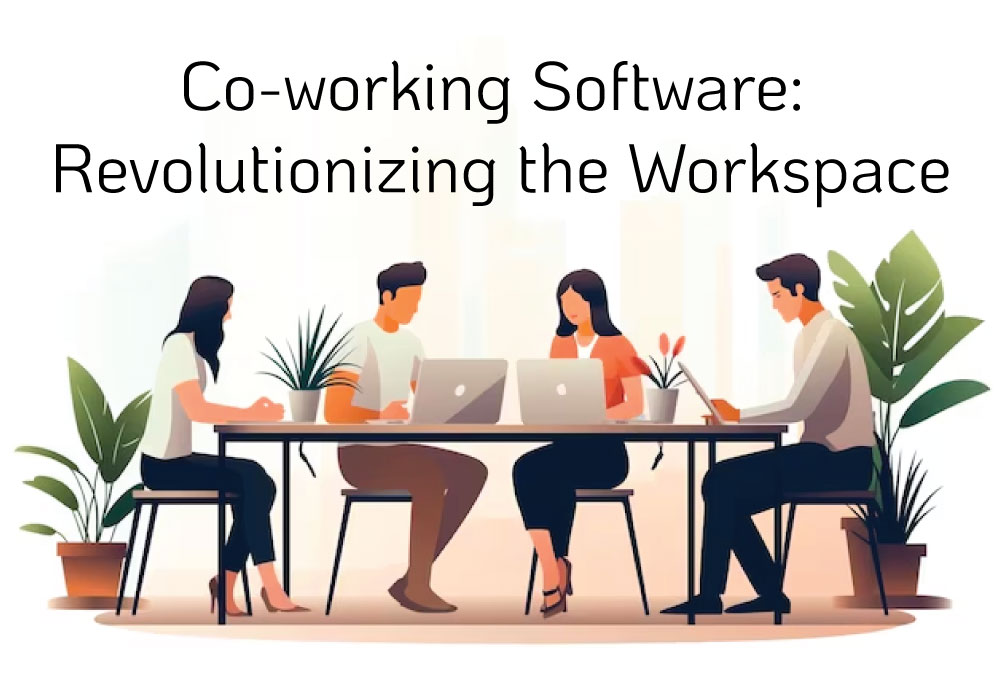
In today’s ever-evolving work environment, co-working spaces have gained immense popularity. These flexible, collaborative workspaces have become a preferred choice for freelancers, startups, and even established companies. To efficiently manage these dynamic workspaces, co-working software has emerged as a game-changer. In this article, we’ll delve into co-working software, its essential features, benefits, and its pivotal role in shaping the co-working industry.
1. Introduction
The traditional office landscape is undergoing a significant transformation, with co-working spaces becoming a prevalent choice for modern professionals. Co-working software plays a pivotal role in efficiently managing and enhancing the co-working experience.
2. What is Co-working Software?
Co-working software refers to a suite of digital tools and applications designed to manage and optimize co-working spaces. It encompasses a wide range of functionalities, from booking desks to handling payments, ensuring a seamless experience for both space providers and members.
3. Key Features of Co-working Software
3.1. Booking and Reservation System
One of the primary functions of co-working software is to facilitate easy booking and reservation of workspaces. Members can effortlessly reserve desks, meeting rooms, or private offices, simplifying the scheduling process.
3.2. Member Management
Co-working software allows space providers to manage their member database efficiently. It includes features like onboarding new members, tracking membership plans, and handling member communications.
3.3. Billing and Invoicing
Automated billing and invoicing systems are integral to co-working software. They ensure accurate and transparent financial transactions, making it convenient for both space operators and members.
3.4. Resource Management
Resource allocation and management are crucial for optimizing space utilization. Co-working software helps track the availability of various resources, such as printers, projectors, and conference rooms.
3.5. Analytics and Reporting
Co-working software provides valuable insights through analytics and reporting. Space operators can analyze usage patterns, occupancy rates, and revenue data to make informed decisions.
4. Benefits of Co-working Software
4.1. Streamlined Operations
Co-working software streamlines day-to-day operations, reducing administrative burdens and manual tasks. This efficiency leads to cost savings and improved productivity.
4.2. Enhanced Member Experience
Members benefit from a seamless and user-friendly experience. They can easily book spaces, access resources, and interact with the co-working community through integrated communication tools.
4.3. Efficient Space Utilization
Space providers can optimize space utilization, ensuring that every square foot is used efficiently. Real-time data helps allocate resources effectively and prevent underutilization.
4.4. Financial Transparency
Co-working software offers financial transparency, making it easier for members to understand their billing and usage. This transparency builds trust and fosters long-term relationships.
5. Types of Co-working Software
Co-working software comes in various types, including cloud-based platforms, open-source solutions, and custom-built software. The choice depends on the specific needs and budget of the co-working space.
6. How to Choose the Right Co-working Software
Selecting the right co-working software involves considering factors like scalability, compatibility with existing systems, and the level of support provided by the software provider.
7. Integration with Co-working Apps
Co-working software often integrates with mobile apps, enhancing member engagement and accessibility. Members can book spaces, receive notifications, and connect with the co-working community on the go.
8. Future Trends in Co-working Software
The future of co-working software is likely to see advancements in AI-driven analytics, enhanced security features, and more seamless integrations with IoT devices and smart buildings.
9. Challenges and Solutions
9.1. Security Concerns
Security is a top concern for co-working spaces. Robust security measures and data encryption are essential to protect member data and privacy.
9.2. Scalability
As co-working spaces grow, scalability becomes crucial. Choosing software that can adapt to the evolving needs of the space is essential for long-term success.
9.3. User Training
Proper training and onboarding of members and staff are necessary to maximize the benefits of co-working software. Space providers should invest in training programs.
10. Success Stories
Explore real-life success stories of co-working spaces that have leveraged co-working software to streamline operations and create thriving communities.
11. Conclusion
Co-working software has become an indispensable tool for co-working spaces, enabling efficient management and delivering an exceptional member experience. As the co-working industry continues to evolve, the role of software in shaping its future cannot be understated.
12. FAQs
Q1: Is co-working software suitable for small co-working spaces?
Yes, co-working software can be tailored to the needs of small co-working spaces, making it an excellent choice for startups and boutique co-working providers.
Q2: Can co-working software handle multiple locations?
Many co-working software solutions offer multi-location support, allowing space operators to manage and monitor multiple co-working spaces from a single dashboard.
Q3: How does co-working software enhance member networking?
Co-working software often includes member directories and communication tools, making it easy for members to connect and collaborate with fellow co-workers.
Q4: Are there free co-working software options available?
Some co-working software solutions offer free or open-source versions with limited features. However, paid options typically provide more comprehensive functionality and support.
Q5: What are the security measures in place to protect member data in co-working software?
Co-working software providers implement strict security measures, including data encryption, secure login procedures, and regular security audits, to safeguard member data.
As co-working continues to redefine the workplace, co-working software remains at the forefront of this transformation, driving efficiency, collaboration, and member satisfaction within these dynamic work environments. Wybrid Technology provide you the best coworking software.