


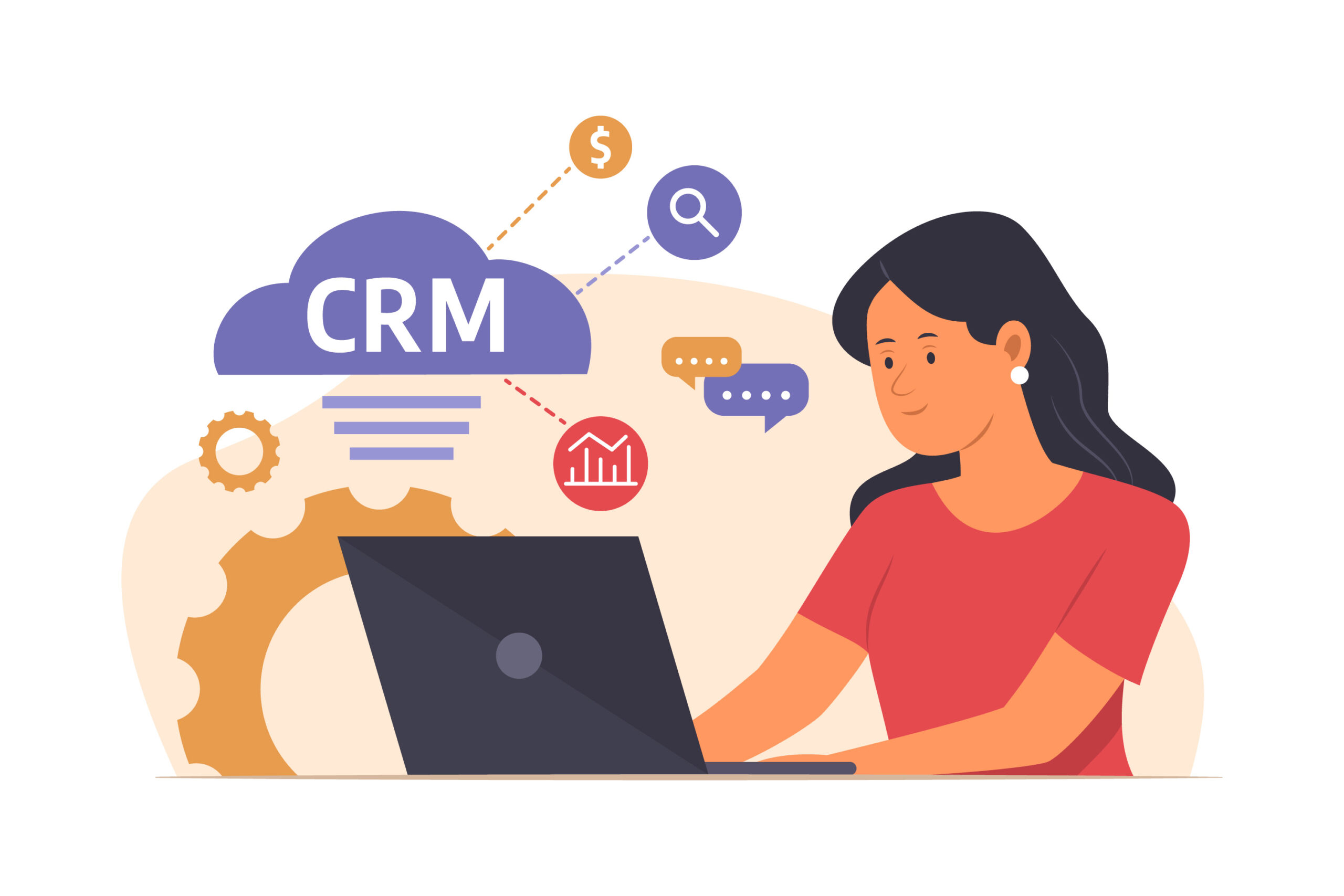
Why Integration with ERP Is Critical for Digital-First Enterprises
In today’s interconnected business landscape, organizations rely on multiple applications—CRM systems, accounting software, HR tools, e-commerce platforms, supply chain systems, and analytics dashboards. When these systems operate independently, inefficiencies emerge: duplicate data entry, inconsistent reporting, operational delays, and poor decision-making visibility.
Integration with ERP eliminates these challenges by connecting all business applications to a centralized Enterprise Resource Planning system. We implement ERP integration strategies that synchronize data, automate workflows, and create a unified digital ecosystem that enhances operational speed, accuracy, and scalability.
Integration with ERP is not just about connecting software—it is about transforming business processes into a cohesive, intelligent infrastructure.
What Does Integration with ERP Mean?
Integration with ERP refers to the process of linking an ERP system with internal and external applications to enable seamless data exchange and automated operational workflows.
This includes integration with:
- Customer Relationship Management (CRM) systems
- E-commerce platforms
- Accounting tools
- Human Resource Management systems
- Inventory and warehouse software
- Payment gateways
- Business intelligence platforms
- Third-party logistics providers
The goal is to ensure that every department operates from a single source of truth.
Core Objectives of Integration with ERP
1. Centralized Data Synchronization
Integration ensures that data flows consistently across systems. For example:
- Customer details captured in CRM automatically update ERP
- Sales orders trigger inventory adjustments
- Payment confirmations update financial records
- HR attendance data syncs with payroll
This eliminates manual duplication and reduces errors.
2. Workflow Automation
ERP integration automates critical processes such as:
- Order-to-cash cycles
- Procure-to-pay workflows
- Payroll processing
- Inventory replenishment
- Financial reporting
Automation improves efficiency and reduces operational risk.
3. Real-Time Reporting and Visibility
With integration, executives gain instant insights into:
- Revenue performance
- Operational efficiency
- Inventory turnover
- Cash flow status
- Customer payment history
Real-time data enables agile decision-making.
Key Areas Where Integration with ERP Adds Value
CRM Integration
When ERP integrates with CRM:
- Sales teams access real-time inventory data
- Customer payment status becomes visible instantly
- Automated invoice generation occurs after order confirmation
- Revenue forecasting improves
This bridges the gap between customer engagement and backend operations.
E-Commerce Integration
For online businesses, ERP integration ensures:
- Automatic order processing
- Real-time stock synchronization
- Shipping updates
- Multi-channel sales reporting
Customers receive accurate delivery timelines and seamless purchasing experiences.
Supply Chain Integration
Integration with ERP enhances supply chain management by enabling:
- Automated purchase order creation
- Vendor tracking
- Demand forecasting
- Logistics coordination
Supply chain transparency improves cost control and operational stability.
HR and Payroll Integration
ERP integration allows:
- Attendance tracking synchronization
- Automated payroll calculations
- Compliance documentation management
- Performance monitoring
This centralizes workforce management.
Benefits of Integration with ERP
Operational Efficiency
Integration eliminates redundant processes, enabling departments to collaborate more effectively and complete tasks faster.
Improved Accuracy
Automated data synchronization reduces human errors and ensures consistent reporting.
Enhanced Customer Experience
With integrated systems:
- Orders are processed faster
- Billing is accurate
- Support teams access complete customer histories
- Service resolution becomes efficient
Customer satisfaction increases significantly.
Cost Reduction
Integration reduces:
- Administrative overhead
- Inventory waste
- Procurement inefficiencies
- Compliance risks
These cost savings directly impact profitability.
Technical Methods for Integration with ERP
API-Based Integration
APIs enable real-time communication between ERP and other applications, ensuring instant data updates.
Middleware Platforms
Middleware tools act as connectors between systems, translating and transferring data seamlessly.
Cloud Integration
Cloud-based ERP integration offers:
- Remote access
- Scalability
- Automatic updates
- Enhanced cybersecurity
Cloud infrastructure supports growing enterprises.
Batch vs Real-Time Integration
Organizations can implement:
- Real-time synchronization for immediate updates
- Scheduled batch processing for periodic data transfers
The choice depends on operational needs.
Industries Leveraging Integration with ERP
Manufacturing
- Production scheduling alignment
- Cost tracking automation
- Inventory optimization
Retail and E-Commerce
- Omnichannel inventory management
- Automated order fulfillment
- Customer purchase analytics
Real Estate
- Lease management integration
- Billing automation
- Asset tracking
Healthcare
- Patient billing synchronization
- Medical inventory tracking
- Compliance reporting
Security and Compliance in ERP Integration
Secure integration requires:
- Encrypted data transmission
- Role-based access control
- Multi-factor authentication
- Audit trails
- Regulatory compliance adherence
Protecting financial and operational data is essential.
Best Practices for Successful Integration with ERP
- Define clear integration goals
- Conduct process mapping
- Standardize and clean data
- Choose compatible platforms
- Implement phased deployment
- Train employees thoroughly
- Monitor system performance continuously
Strategic execution ensures long-term success.
Challenges in ERP Integration
Common obstacles include:
- Legacy system incompatibility
- Data migration complexities
- Customization demands
- User resistance
Addressing these through structured planning minimizes disruption.
Future of Integration with ERP
The future of ERP integration includes:
- AI-powered predictive analytics
- Intelligent automation
- IoT-enabled operational tracking
- Blockchain-based transaction validation
- Advanced business intelligence dashboards
As digital ecosystems evolve, integration with ERP will become even more critical for competitive advantage.
Conclusion: Integration with ERP as a Strategic Growth Catalyst
Integration with ERP transforms isolated systems into a synchronized operational framework. By connecting CRM, finance, supply chain, HR, and digital platforms, businesses achieve transparency, automation, and scalability.
Organizations that invest in ERP integration gain:
- Faster decision-making
- Increased operational efficiency
- Stronger financial control
- Improved customer experience
- Sustainable growth potential
In a technology-driven marketplace, integration with ERP is not optional—it is the foundation of intelligent, future-ready enterprise management.