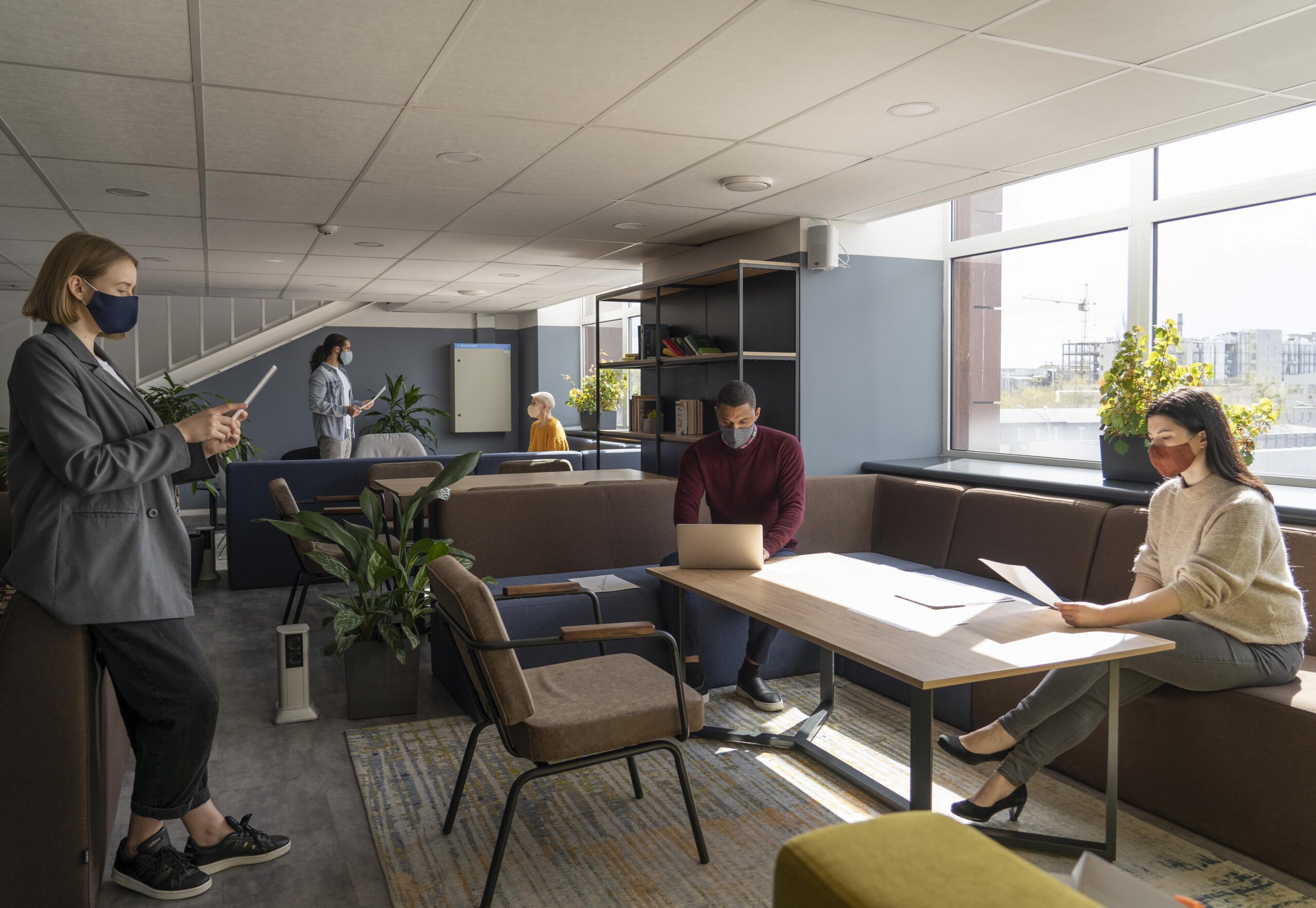






In today’s dynamic business landscape, the concept of coworking has gained significant traction. With the rise of remote work and freelancing, the need for flexible office spaces has led to the emergence of coworking spaces. To effectively manage these spaces and cater to the diverse needs of professionals, coworking office space planning software has become an essential tool. This article delves into the significance of such software and how it revolutionizes the way workspaces are organized and utilized.
Introduction
The modern workforce is evolving, with remote work and freelancing becoming more prevalent. Coworking spaces have arisen as a response to this shift, offering flexible and collaborative environments. As the popularity of coworking spaces grows, the need for efficient management becomes paramount. This is where coworking office space planning software steps in.
The Rise of Coworking Culture
Coworking spaces provide professionals with more than just a physical place to work. They foster a sense of community, collaboration, and networking. As individuals from various industries come together under one roof, the challenge lies in creating an environment that maximizes productivity while maintaining a harmonious atmosphere.
Challenges in Coworking Space Management
Managing a coworking space involves intricacies such as space allocation, resource management, and ensuring a seamless experience for members. Traditional methods of manual management fall short in the face of the diverse demands of modern professionals. This is where technology, particularly coworking software, enters the scene.
The Role of Coworking Office Space Planning Software
Coworking office space planning software acts as a central hub that streamlines various aspects of space management. From desk bookings to event scheduling, this software brings order to the chaos of a bustling coworking space. It serves as a bridge between coworking space operators and members, offering a user-friendly interface that enhances the overall experience.
Key Features of Coworking Space Planning Software
- Real-time Availability: Members can check real-time availability of desks and meeting rooms, ensuring efficient planning.
- Integrated Booking: The software allows seamless booking and reservation of workspaces, enhancing convenience.
- Resource Allocation: It enables efficient allocation of resources such as printers, projectors, and more.
- Collaboration Tools: Built-in communication features facilitate member interaction and collaboration.
- Personalization: Members can personalize their workspace preferences, creating a more comfortable environment.
- Analytics: The software provides insights into space utilization patterns, helping operators optimize layouts.
Benefits of Using Coworking Software
Enhancing Collaboration and Resource Sharing
Coworking software encourages networking and collaboration among members. With integrated communication tools, professionals can connect, share ideas, and collaborate on projects seamlessly.
Optimizing Space Utilization
By analyzing data on space usage, operators can rearrange layouts for maximum efficiency. This optimization leads to better space allocation and a more conducive work environment.
Real-time Booking and Reservation
Members can book workspaces and amenities in real-time, ensuring that they have the resources they need when they need them.
Personalization and Customization
Coworking software empowers members to customize their workspace preferences, fostering a sense of ownership and comfort.
Intuitive User Experience
The user-friendly interface of coworking software enhances the overall experience for both members and operators, making workspace management smooth and hassle-free.
Data-driven Insights and Analytics
Operators can make informed decisions based on data-driven insights, optimizing resource allocation and identifying trends.
Security and Privacy Considerations
While technological advancements bring numerous benefits, they also raise concerns about data security and privacy. Coworking software developers must prioritize robust security measures to protect sensitive information.
Future Trends in Coworking and Workspace Technology
As technology continues to evolve, the future of coworking software looks promising. Integration with Internet of Things (IoT) devices, enhanced virtual reality experiences, and more advanced analytics are some of the trends that will shape the industry.
Conclusion
Coworking office space planning software has revolutionized the way flexible workspaces are managed. By addressing challenges in space allocation, resource management, and member collaboration, this software enhances efficiency and fosters a thriving coworking culture. As the workforce evolves, the capabilities of coworking software will play a pivotal role in shaping the future of workspaces.