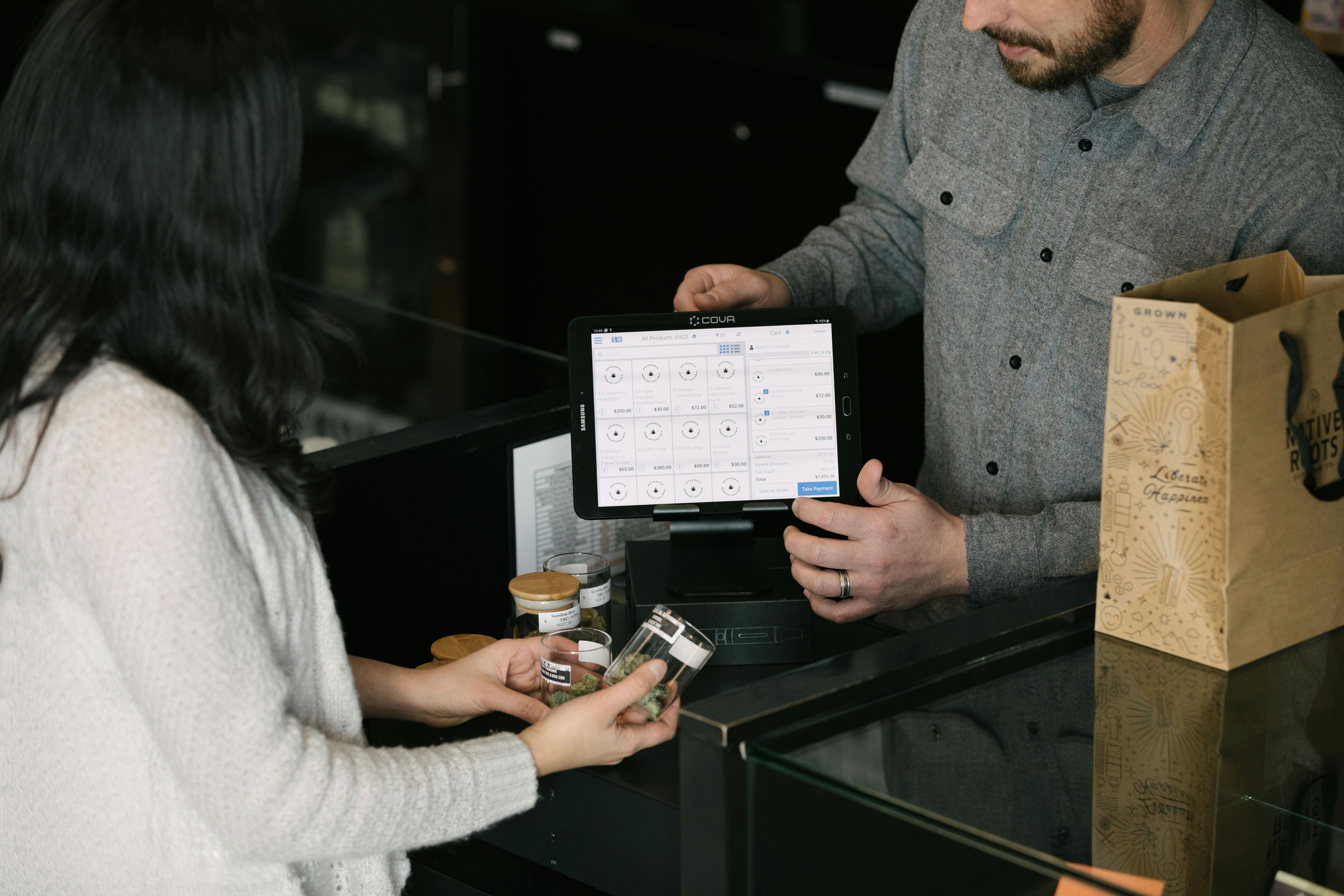



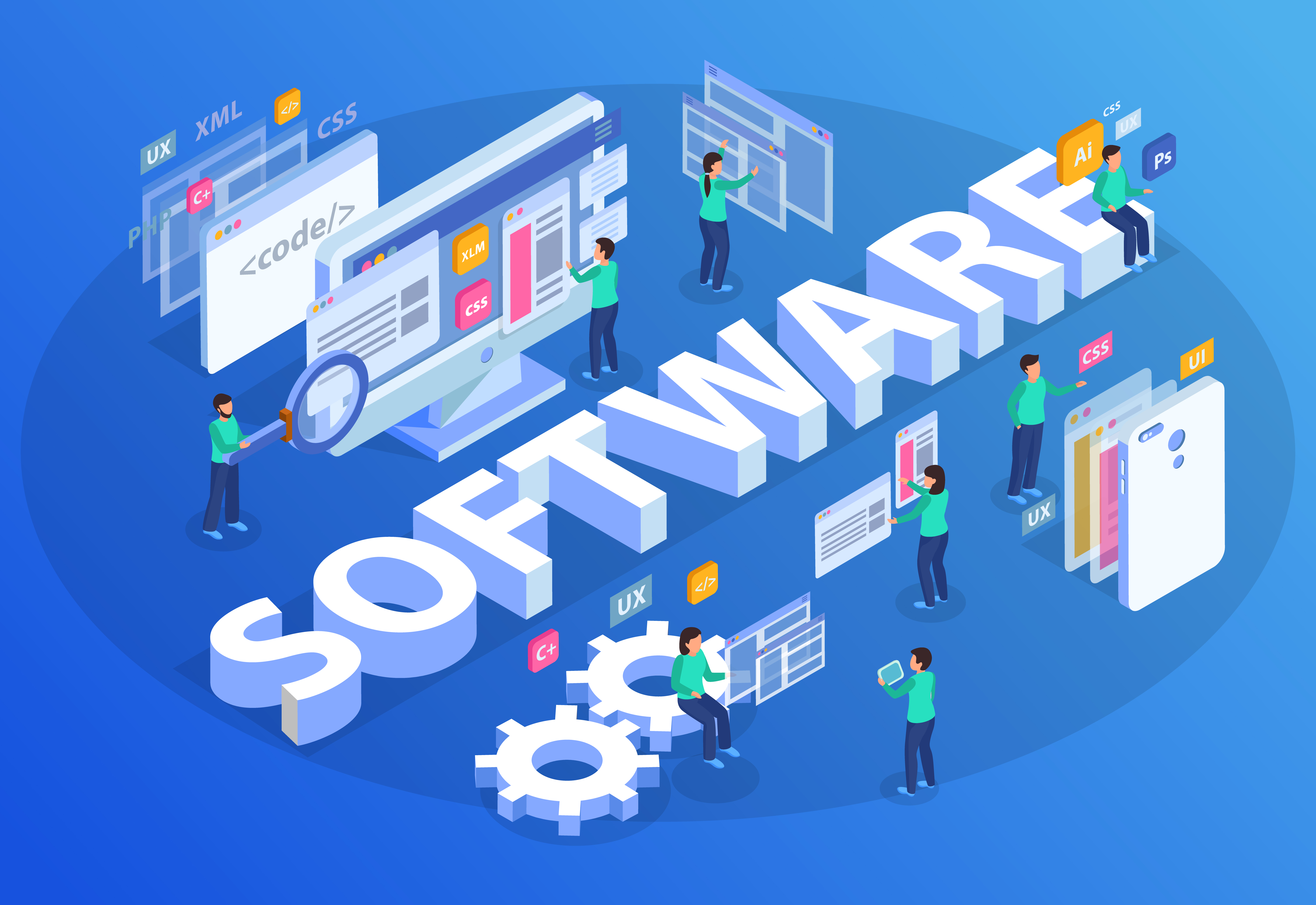


A coworking software platform is the technology foundation that helps workspace operators manage the complete lifecycle of their flexible workspace business. From lead generation and member onboarding to desk booking, meeting room reservations, billing, visitor management, access control, and reporting, a centralized platform brings multiple operational functions together.
As coworking spaces continue to evolve into flexible offices, hybrid workplaces, serviced offices, and managed workspaces, relying on spreadsheets and disconnected applications can create unnecessary complexity. A comprehensive coworking management platform provides the automation, visibility, and scalability required to operate modern workspaces efficiently.
What Is a Coworking Software Platform?
A coworking software platform is a centralized digital system designed specifically for managing coworking spaces and flexible workplaces.
It allows operators to manage physical workspace resources, customers, financial transactions, sales activities, and daily operations from a single environment.
A comprehensive platform can include:
- Member management
- Coworking CRM
- Desk booking
- Meeting room booking
- Private office management
- Membership management
- Billing and invoicing
- Payment management
- Visitor management
- Access control
- Inventory management
- Community management
- Occupancy tracking
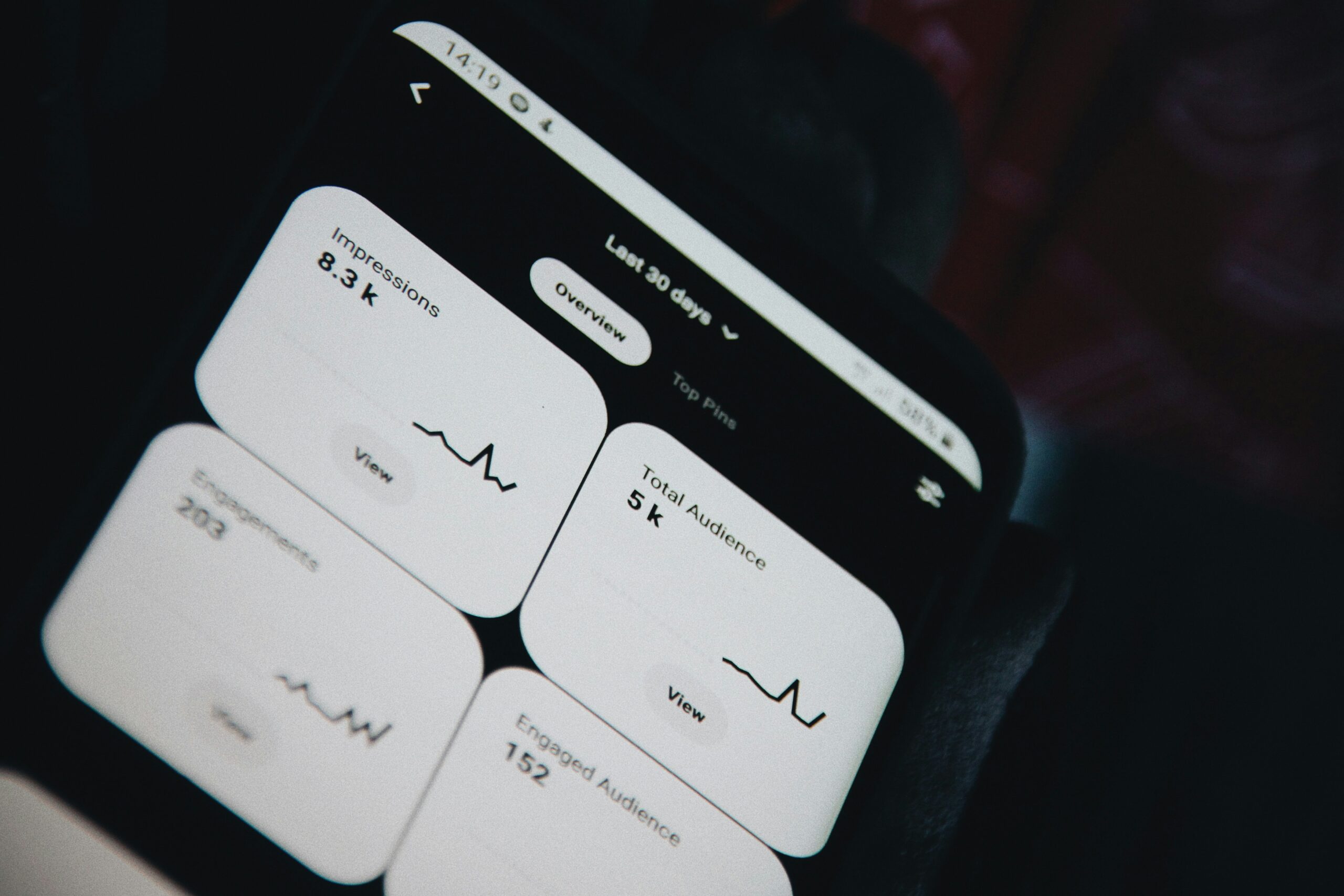
- Workspace analytics
- Multi-location management
- Mobile applications
- Third-party integrations
The purpose is to create a connected operating system for coworking and flexible workspace businesses.
Why Do Coworking Businesses Need a Software Platform?
Running a coworking space involves managing multiple processes simultaneously.
A workspace operator may have to handle hundreds of members, recurring subscriptions, desk reservations, meeting rooms, private offices, visitors, invoices, sales leads, payments, and support requests.
When these activities are managed manually, several problems can occur:
- Duplicate data
- Booking conflicts
- Missed sales follow-ups
- Delayed invoices
- Payment tracking problems
- Limited occupancy visibility
- Manual visitor registration
- Poor communication between teams
- Difficulty managing multiple locations
A coworking software platform connects these activities and creates a centralized operational database.
Instead of employees switching between multiple systems, teams can access important information from a single dashboard.
Core Features of a Coworking Software Platform
1. Coworking Space Management
The platform should provide tools for managing the physical workspace.
Operators can create and organize:
- Locations
- Floors
- Zones
- Desks
- Offices
- Meeting rooms
- Conference rooms
- Event spaces
- Parking spaces
- Other bookable resources
This creates a digital representation of the physical workspace.
2. Desk Booking
Desk booking software allows members and employees to reserve workspaces according to availability.
A platform can support different workspace models, including:
- Hot desks
- Dedicated desks
- Fixed desks
- Shared desks
- Private offices
- Team rooms
Real-time availability helps prevent double bookings and provides operators with a better understanding of workspace demand.
3. Meeting Room Booking
Meeting rooms are among the most frequently used shared resources.
A coworking platform can allow users to:
- View room availability
- Reserve rooms
- Select time slots
- Check room capacity
- Apply member pricing
- Manage recurring bookings
- Cancel reservations
Operators can also monitor meeting room utilization to understand which rooms generate the most value.
4. Member Management
A centralized member management system stores important customer information.
Member profiles may contain:
- Personal details
- Company information
- Membership plans
- Contracts
- Billing details
- Assigned desks
- Booking history
- Payment history
- Service usage
- Visitor activity
This enables teams to provide faster and more personalized service.
5. Coworking CRM
A coworking CRM helps workspace operators manage the sales pipeline.
Prospects can be tracked from initial inquiry through membership conversion.
A typical workflow may include:
Inquiry → Qualification → Requirement → Site Visit → Proposal → Negotiation → Booking → Membership
Sales teams can monitor follow-ups, site visits, proposals, lead sources, and conversion rates.
This can improve sales visibility and reduce missed opportunities.
6. Membership Management
Coworking businesses often provide multiple membership options.
For example:
- Daily passes
- Weekly memberships
- Monthly memberships
- Dedicated desks
- Private offices
- Team offices
- Virtual office plans
- Meeting room packages
Coworking software can help operators configure membership plans, assign benefits, define booking limits, manage renewals, and monitor membership status.
7. Billing and Invoicing
Financial management is another critical part of coworking operations.
A coworking platform can automate billing for:
- Membership fees
- Desk rentals
- Private offices
- Meeting rooms
- Parking
- Printing
- Mail services
- Virtual office services
- Additional amenities
Automated invoicing reduces manual calculations and helps finance teams monitor outstanding payments.
8. Visitor Management
Coworking spaces receive visitors every day, including clients, vendors, interview candidates, partners, and guests.
A visitor management system can digitize the guest experience.
Common functionality includes:
- Online visitor registration
- Digital check-in
- Host notifications
- Visitor approvals
- Visitor badges
- Check-out
- Visitor history
This creates a professional reception experience while improving visibility over visitors entering the facility.
9. Access Control Integration
A modern coworking software platform can integrate with electronic access control systems.
Access permissions can be connected to:
- Membership status
- Desk allocation
- Office allocation
- Booking schedules
- Visitor permissions
- Location access
This can reduce manual intervention by allowing access rights to reflect workspace records automatically.
10. Community Management
Community is one of the key differentiators of a successful coworking business.
A platform can support community engagement through:
- Announcements
- Events
- Member directories
- Notifications
- Feedback
- Internal communication
- Service requests
A centralized communication system makes it easier to keep members informed and connected.
11. Inventory Management
Coworking spaces also need to manage physical assets.
These may include:
- Desks
- Chairs
- Monitors
- Access cards
- IT equipment
- Printers
- Projectors
- Stationery
- Pantry supplies
Inventory management software helps operators track assets, allocations, stock levels, and consumption.
12. Occupancy and Workspace Analytics
Data is one of the most valuable assets for a coworking operator.
A software platform can provide analytics covering:
- Occupancy
- Desk utilization
- Room utilization
- Peak usage
- Membership growth
- Revenue
- Booking patterns
- Lead conversion
- Cancellation rates
- Location performance
These insights help management make better decisions about pricing, capacity, staffing, and expansion.
Benefits of Using a Coworking Software Platform
Centralized Operations
All important workspace information can be managed from one platform.
Automation
Routine activities such as invoices, reminders, bookings, and notifications can be automated.
Better Member Experience
Members can access services such as booking and payments without depending entirely on front-desk staff.
Improved Workspace Utilization
Real-time data helps operators identify unused desks, rooms, and offices.
Higher Sales Efficiency
CRM functionality gives sales teams better control over leads and follow-ups.
Better Financial Visibility
Automated billing and payment tracking make it easier to monitor workspace revenue.
Scalability
A centralized platform can support business growth from one location to multiple coworking centers.
Cloud-Based Coworking Software Platform
Cloud-based coworking platforms are particularly useful for businesses operating multiple locations.
Managers can access workspace information remotely without relying on software installed on individual computers.
Cloud architecture can simplify:
- Multi-location administration
- Data access
- Software updates
- Remote management
- Reporting
- Collaboration
For growing flexible workspace businesses, this provides greater operational flexibility.
Multi-Location Coworking Management
A growing coworking brand may operate several locations across different cities.
Managing each property independently can make it difficult to compare performance.
A centralized platform allows management to view information across locations, including:
- Active memberships
- Occupancy
- Revenue
- Bookings
- Leads
- Meeting room utilization
- Outstanding payments
- Resource availability
This provides management with a unified view of the entire workspace portfolio.
Coworking Software and Hybrid Work
Hybrid work has increased the demand for flexible workspace technology.
Companies increasingly need employees to reserve desks, meeting rooms, and collaboration spaces based on when they visit the office.
A coworking software platform can support this model through:
- Desk reservation
- Office booking
- Meeting room scheduling
- Occupancy tracking
- Employee profiles
- Workplace analytics
- Mobile access
This makes coworking platforms relevant not only to traditional coworking operators but also to hybrid offices and corporate workplaces.
Mobile Coworking Software
A mobile application can extend workspace management beyond the desktop.
Members can use a coworking app to:
- Book desks
- Reserve meeting rooms
- View bookings
- Make payments
- Access invoices
- Receive announcements
- Register visitors
- Submit service requests
- Participate in community activities
Mobile access creates a more convenient and self-service member experience.
How to Select the Right Coworking Software Platform
Before selecting a platform, operators should evaluate their specific requirements.
Workspace Management
Can the software manage desks, rooms, offices, floors, and locations?
Booking
Does it support real-time desk and meeting room availability?
CRM
Can sales teams manage leads, site visits, proposals, and conversions?
Billing
Does it support recurring billing, invoices, payments, and additional charges?
Visitor Management
Can guests register and check in digitally?
Access Control
Can the platform integrate with existing access control technology?
Analytics
Does it provide occupancy, revenue, booking, and membership reports?
Integrations
Can it connect with accounting, payment, communication, and access systems?
Scalability
Can the platform support additional locations and growing membership?
Mobile Experience
Can members access important services from their smartphones?
Coworking Software vs. Multiple Separate Tools
Using separate applications for every operational process can create disconnected workflows.
For example:
CRM + Spreadsheet + Booking Tool + Accounting Software + Visitor Register + Access System
may require employees to repeatedly transfer information between systems.
A unified coworking platform can bring these processes together:
CRM → Member Management → Booking → Billing → Access → Visitor Management → Analytics
This connected workflow can significantly improve operational visibility.
Future of Coworking Software Platforms
The future of coworking technology is moving toward automation, artificial intelligence, integration, and predictive analytics.
Future platforms will increasingly connect:
- AI-powered sales automation
- Smart workspace booking
- Access control
- Visitor management
- Payments
- CRM
- Workplace analytics
- Mobile applications
- Accounting
- Communication tools
Artificial intelligence can also help operators identify occupancy trends, forecast workspace demand, automate customer communication, and identify potential revenue opportunities.
The coworking software platform is therefore evolving from a simple booking system into a complete operating system for flexible workspaces.
Conclusion
A coworking software platform provides the technology infrastructure required to manage modern coworking and flexible workspace businesses efficiently.
From desk booking, member management, CRM, billing, and visitor management to access control, inventory, community engagement, and analytics, an integrated platform can bring the entire workspace operation into one centralized environment.
For operators looking to scale their coworking business, improve member experience, reduce manual administration, and gain better operational visibility, investing in a comprehensive coworking management platform can provide a strong foundation for long-term growth.