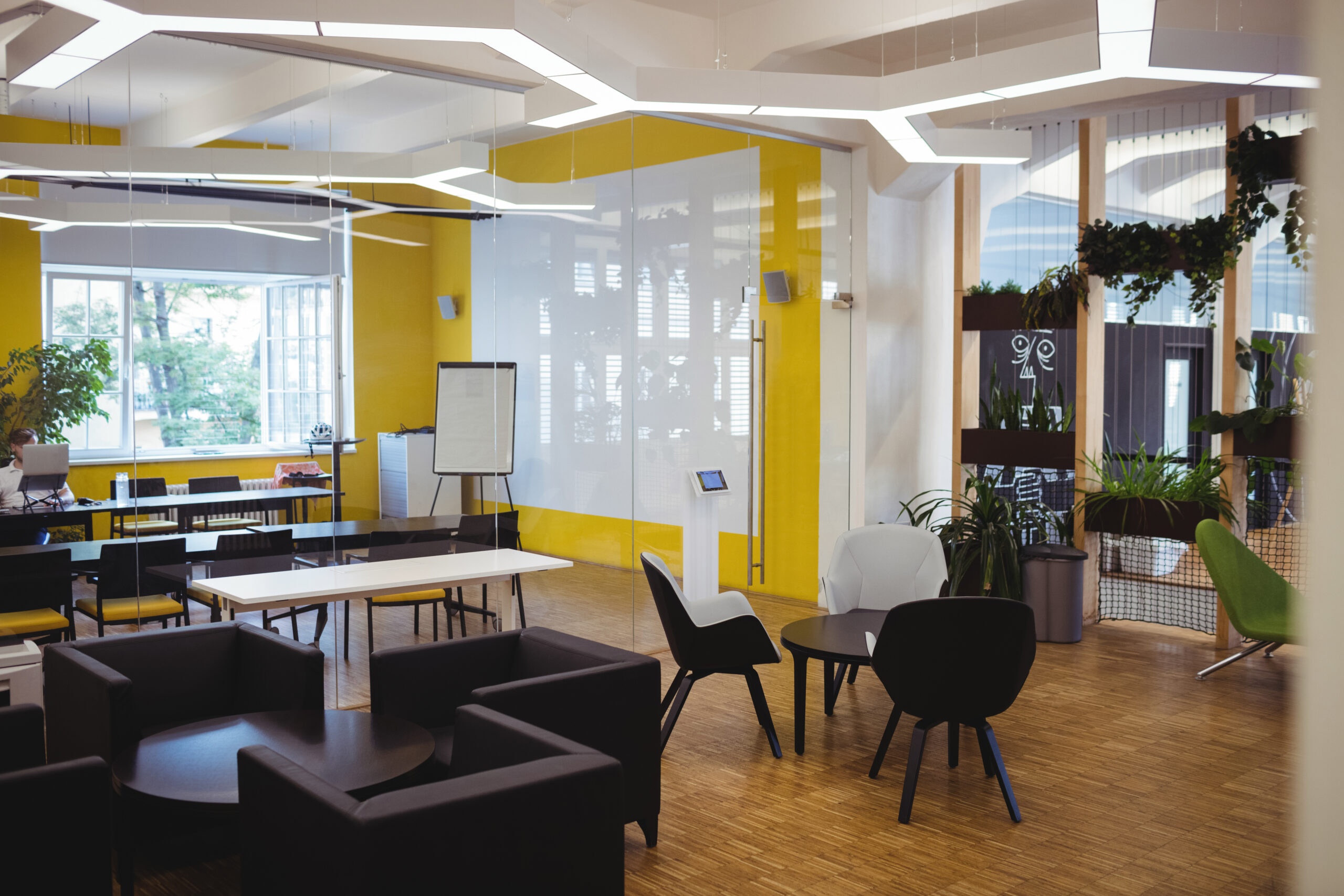





Modern workplaces, coworking hubs, commercial buildings, educational campuses, healthcare facilities, and hybrid offices all face the same challenge: understanding how people use space in real time and turning that data into better operational decisions. A robust people occupancy software solution solves this challenge by providing live visibility into who is using a space, how often it is used, when peak occupancy occurs, and where inefficiencies exist.
As organizations move toward hybrid work models, flexible seating, smart buildings, and data-driven facility operations, occupancy intelligence is no longer optional. It is the foundation of efficient workplace planning, energy optimization, visitor safety, compliance management, and employee experience. In this guide, we explain everything businesses need to know about choosing and implementing the right people occupancy software solution, including features, benefits, use cases, integrations, deployment strategies, and the measurable business outcomes it delivers.
What Is a People Occupancy Software Solution?
A people occupancy software solution is a digital platform that monitors, measures, analyzes, and reports how many people are present in a workplace, room, building, or designated zone at any given time. It uses occupancy sensors, access control systems, Wi-Fi signals, badge data, cameras with privacy-safe analytics, desk booking activity, and room reservation inputs to provide real-time occupancy visibility and historical utilization analytics.
At its core, occupancy software helps organizations answer critical operational questions:
- How many people are currently inside the office?
- Which meeting rooms are actually being used versus simply booked?
- What is the occupancy rate by floor, zone, department, or time slot?
- Which desks are most frequently occupied?
- When does a building reach peak traffic?
- Are spaces oversized, underused, or poorly allocated?
- How can we improve employee comfort while reducing real estate waste?
A modern people occupancy platform does far more than count people. It transforms raw occupancy data into actionable business intelligence for workplace teams, facility managers, operations leaders, HR teams, coworking operators, and enterprise real estate decision-makers.
Why People Occupancy Software Matters in Modern Workplaces
Organizations no longer manage static offices with fixed seating and predictable attendance. Today’s spaces are fluid. Teams come in on different days, meeting room demand changes by the hour, visitor volumes fluctuate, and departments use office space unevenly. Without reliable occupancy insights, businesses often overspend on underutilized real estate while employees struggle to find the right workspaces when they need them.
A people occupancy software solution directly addresses these issues by delivering:
- Real-time visibility into current occupancy levels
- Accurate utilization analytics for desks, rooms, floors, and common areas
- Smarter space planning based on actual behavior, not assumptions
- Improved employee experience with better seating and room availability
- Enhanced safety and compliance through live occupancy monitoring
- Reduced operational costs through optimized cleaning, HVAC, and energy usage
- Stronger decision-making for lease planning, workplace design, and expansion strategies
When occupancy data becomes visible and measurable, organizations can move from reactive facility management to proactive, strategic workplace optimization.
How a People Occupancy Software Solution Works
A typical people occupancy software platform gathers data from multiple sources and consolidates it into one centralized dashboard. The exact architecture depends on the building environment and the software vendor, but the process generally follows five stages.
1. Occupancy Data Collection
Occupancy data is captured through one or more technologies, such as:
- Infrared or motion occupancy sensors
- Desk occupancy sensors
- Meeting room sensors
- Entry and exit counters
- Access control and badge swipe systems
- Wi-Fi and network-based presence detection
- Camera-based people counting with privacy controls
- Mobile check-ins and desk booking tools
- Visitor management software
- Turnstiles and gate access systems
2. Data Processing and Normalization
The software aggregates raw signals from connected devices and systems, then cleans, normalizes, and interprets the data to identify occupancy trends, presence events, no-show bookings, peak periods, and usage frequency.
3. Real-Time Visualization
The processed data appears in dashboards, heatmaps, floor plans, occupancy counters, and admin panels. Managers can see live building occupancy, room usage, desk availability, and zone-level traffic patterns.
4. Historical Reporting and Analytics
The platform stores historical occupancy data to show trends over time. Businesses can compare weekdays, departments, office locations, or seasonal patterns to make informed planning decisions.
5. Workflow Automation and Alerts
Advanced occupancy systems can trigger actions automatically, such as:
- notifying teams when a room is vacant despite being booked
- sending alerts when a space exceeds capacity
- adjusting HVAC or lighting based on occupancy levels
- flagging underused spaces for redesign or repurposing
- prompting cleaning schedules based on actual usage rather than fixed intervals
Core Features of the Best People Occupancy Software Solutions
Not all occupancy platforms are equal. The best systems combine real-time monitoring, analytics, automation, and integrations into one scalable solution. Below are the most important features to prioritize.
Real-Time Occupancy Dashboard
A live dashboard should show how many people are currently present across the office, building, floor, or room level. This allows operations teams to instantly understand usage levels and respond to crowding, underuse, or staffing requirements.
Desk Occupancy Tracking
Desk-level visibility is essential in flexible and hybrid workplaces. Occupancy software should show:
- which desks are occupied now
- which desks are reserved but unused
- which desks are available for booking
- desk utilization by department, date, and time
Meeting Room Utilization Analytics
Meeting rooms are frequently overbooked and underused. A strong people occupancy software solution identifies:
- ghost meetings and no-shows
- rooms used without reservations
- actual duration versus scheduled duration
- occupancy rate by room size and location
This helps businesses redesign room inventory based on real demand rather than calendar assumptions.
Live Floor Maps and Space Heatmaps
Visual occupancy maps make it easier to interpret usage patterns. Heatmaps highlight the most active zones, bottlenecks, crowded areas, and underused sections of the workplace.
Capacity Management and Threshold Alerts
For safety, compliance, and comfort, occupancy software should support capacity rules for:
- meeting rooms
- training rooms
- cafeterias
- event spaces
- coworking lounges
- reception areas
Automatic alerts can notify admins when occupancy exceeds a configured threshold.
Historical Occupancy Reporting
A quality solution should provide detailed reports such as:
- average daily occupancy
- weekly and monthly utilization trends
- room occupancy rates
- peak usage windows
- department-based attendance patterns
- location-level comparison reports
- seat-to-employee ratio analysis
Hybrid Workplace Analytics
Hybrid work has changed how businesses measure office value. Occupancy software should support analytics such as:
- attendance by team or business unit
- in-office frequency trends
- collaboration space demand
- anchor day analysis
- office utilization versus remote work patterns
Visitor and Guest Occupancy Monitoring
For offices with frequent visitors, contractors, clients, or event attendees, occupancy systems should integrate with visitor management tools to include non-employee occupancy in overall building analytics.
Multi-Location Portfolio Management
Large enterprises and coworking brands often manage multiple sites. The right platform should allow administrators to compare occupancy across:
- cities
- office branches
- coworking centers
- floors
- departments
- business units
Automation and Smart Building Controls
Occupancy data becomes more valuable when it triggers operational actions. Advanced systems can connect to:
- HVAC platforms
- lighting controls
- digital signage
- cleaning workflows
- access systems
- workplace booking tools
This turns occupancy software into a true smart building operations engine.
Top Benefits of Implementing People Occupancy Software
1. Better Space Utilization
Many businesses pay for more space than they actually need. Occupancy analytics reveal which rooms, desks, and zones are underused so they can be reconfigured, consolidated, or repurposed.
2. Lower Real Estate Costs
Commercial real estate is one of the largest workplace expenses. By understanding actual occupancy demand, organizations can reduce excess square footage, renegotiate leases more effectively, or postpone expansion plans.
3. Improved Employee Experience
Employees want reliable access to desks, meeting rooms, collaboration zones, and quiet areas. Occupancy software reduces friction by making space availability visible and easier to manage.
4. Smarter Hybrid Work Planning
Leaders need accurate attendance insights to design office schedules, allocate collaboration spaces, and support team-based office days. Occupancy software provides the evidence needed to align space strategy with hybrid behavior.
5. Stronger Health, Safety, and Compliance
Live occupancy monitoring helps organizations manage room capacities, emergency preparedness, and workplace safety protocols. In regulated environments, it can support compliance reporting and incident planning.
6. Reduced Energy and Maintenance Waste
Buildings often consume energy regardless of whether spaces are occupied. Occupancy-driven automation helps reduce electricity, HVAC usage, and unnecessary cleaning, which lowers operating costs and supports sustainability goals.
7. Data-Driven Facility Planning
Instead of relying on assumptions or one-time surveys, workplace teams can make decisions using continuous, real occupancy data. This improves furniture planning, floor redesign, room sizing, staffing models, and amenity placement.
Use Cases for People Occupancy Software Across Industries
Corporate Offices
Enterprises use occupancy software to manage hybrid attendance, optimize desk allocation, right-size office footprints, and improve meeting room planning.
Coworking Spaces and Flexible Offices
Coworking operators depend on accurate occupancy tracking to manage hot desks, private offices, meeting rooms, common areas, and member traffic. Occupancy insights also support pricing strategy, staffing, and expansion planning.
Commercial Buildings and Smart Campuses
Property managers use occupancy data to understand tenant behavior, optimize shared amenities, manage lobby traffic, and improve energy efficiency across common areas.
Educational Institutions
Schools, colleges, and universities can monitor classroom occupancy, library usage, lab traffic, and campus common spaces to improve resource planning and student safety.
Healthcare Facilities
Hospitals and clinics can use occupancy software to monitor waiting areas, consultation rooms, visitor traffic, and staff movement patterns while improving patient flow and facility efficiency.
Retail and Experience Centers
Retail stores and showrooms can analyze footfall, peak visit hours, queue patterns, and zone-level traffic to improve staffing and layout decisions.
Key Components of a Strong Occupancy Management Strategy
A people occupancy software solution works best when paired with a clear workplace strategy. Organizations should define:
Occupancy Goals
Examples include:
- reduce underused meeting rooms
- improve desk utilization
- manage capacity in high-traffic areas
- support hybrid work planning
- lower energy consumption
- optimize cleaning schedules
- improve visitor flow
Space Categories to Track
Decide whether to monitor:
- desks
- conference rooms
- cabins
- focus pods
- training rooms
- cafeterias
- reception areas
- parking zones
- event spaces
KPIs to Measure
Track meaningful metrics such as:
- average daily occupancy
- desk utilization rate
- meeting room occupancy rate
- no-show booking percentage
- peak attendance days
- average room dwell time
- occupancy by department
- building capacity utilization
Integrations That Make People Occupancy Software More Powerful
A standalone occupancy tool is useful. An integrated one is transformative. The best solutions connect with the wider workplace technology stack.
Desk Booking Software
This allows businesses to compare reserved occupancy versus actual occupancy and reduce no-shows or abandoned reservations.
Meeting Room Booking Systems
Integration with room scheduling tools improves room utilization visibility and helps identify false bookings, shortened meetings, and spontaneous room usage.
Visitor Management Software
Visitor check-ins, contractor access, and guest arrivals can be included in total occupancy analytics for a more complete picture of building usage.
Access Control Systems
Badge data and entry records help validate attendance trends and provide an additional source of occupancy intelligence.
Building Management Systems
Occupancy-based triggers can automate lighting, air conditioning, and energy use according to real demand.
Workplace Apps and Employee Experience Platforms
Employees can view available spaces, find rooms, reserve desks, and make informed office decisions using one connected experience.
How to Choose the Best People Occupancy Software Solution
Selecting the right platform requires more than comparing features. The best solution should match your workplace model, technology environment, growth plans, and reporting needs.
Prioritize Accuracy and Data Reliability
Occupancy insights are only valuable when they are trustworthy. Look for solutions with reliable sensor inputs, flexible validation rules, and accurate room or desk detection.
Choose Scalable Deployment Options
A growing business needs software that can scale from one office to multiple buildings or coworking locations without forcing a complete system change later.
Evaluate Privacy and Compliance Standards
Occupancy monitoring should protect employee privacy and align with local regulations. Favor vendors that support privacy-first occupancy analytics and transparent data handling.
Look for Flexible Reporting
The software should allow custom dashboards, downloadable reports, occupancy benchmarks, and role-based visibility for HR, operations, facilities, and leadership teams.
Assess Integration Capabilities
Choose a solution that connects smoothly with your existing stack, including:
- calendar systems
- desk booking platforms
- access control
- visitor management
- workplace mobile apps
- facility automation systems
Review User Experience for Admins and Employees
A powerful backend matters, but so does day-to-day usability. Dashboards, mobile access, reporting interfaces, booking workflows, and floor maps should be intuitive and fast.
Understand Deployment Requirements
Ask whether the software needs hardware installation, how long implementation takes, what support is available, and whether the vendor can assist with onboarding and data mapping.
Essential Metrics Tracked by People Occupancy Software
A high-performing occupancy solution should help businesses track and improve the following metrics:
- Live occupancy count
- Average daily attendance
- Peak occupancy by hour/day
- Desk occupancy rate
- Desk booking no-show rate
- Meeting room utilization percentage
- Room booking-to-usage ratio
- Space utilization by floor or zone
- Visitor traffic volume
- Occupancy trend by department
- Underutilized space percentage
- Capacity threshold breaches
- Average dwell time in shared areas
- Portfolio-wide occupancy comparison
These metrics provide the foundation for space optimization, cost reduction, employee experience improvements, and strategic workplace planning.
The Future of People Occupancy Software
The next generation of occupancy technology is moving beyond simple headcounts into predictive workplace intelligence. Future-ready platforms will increasingly offer:
- AI-driven occupancy forecasting
- automated space recommendations
- behavior-based workplace planning
- predictive cleaning and maintenance schedules
- deeper hybrid attendance analytics
- cross-location benchmarking
- real-time sustainability optimization
- advanced integration with IoT and smart building ecosystems
As workplaces become more dynamic, occupancy software will serve as a central intelligence layer connecting people, space, energy, scheduling, and operations into one unified environment.
Why Businesses Need a People Occupancy Software Solution Now
Organizations that still rely on assumptions, manual counts, calendar data alone, or occasional workplace surveys are making expensive decisions with incomplete information. A modern people occupancy software solution gives businesses the visibility required to run efficient, flexible, safe, and high-performing workplaces.
Whether the goal is to optimize a hybrid office, improve coworking operations, reduce real estate waste, manage capacity, or build a smarter workplace experience, occupancy software provides the operational intelligence needed to act with confidence. It converts workplace usage into measurable data, measurable data into strategic insights, and strategic insights into better business outcomes.
For any company managing modern office space, the question is no longer whether occupancy intelligence matters. The real question is how quickly the organization can implement the right people occupancy software solution to improve space utilization, reduce costs, support employees, and future-proof the workplace.
Conclusion
A powerful people occupancy software solution is no longer just a facility tool—it is a business performance platform for modern workplaces. It helps organizations understand how space is used, improve efficiency, support hybrid work, reduce operational waste, and create a better environment for employees, members, visitors, and building stakeholders.
By combining real-time occupancy visibility, historical analytics, smart automation, and workplace integrations, the right solution turns office space into a measurable, manageable, and highly optimized asset. Businesses that adopt occupancy intelligence early will be in a stronger position to control costs, improve workplace experience, and make smarter long-term real estate decisions in an increasingly flexible world.