


In today’s fast-paced and competitive market, businesses require robust, efficient, and
scalable solutions to manage their financial transactions. An ERP billing system is a
comprehensive software solution designed to streamline billing processes, reduce
manual errors, and integrate billing seamlessly with other critical business operations. As
enterprises grow and diversify, adopting a smart ERP billing system is no longer a
luxury—it’s a necessity.
What Is an ERP Billing System?
An ERP billing system is a component of Enterprise Resource Planning (ERP)
software that manages the billing and invoicing of products or services. It is designed to
automate the process of creating, sending, tracking, and managing bills across the
organization. By integrating this system into the overall ERP platform, companies can
ensure that billing data flows effortlessly between departments like sales, finance,
inventory, and customer service.
Key Features of a Modern ERP Billing System
- Automated Invoicing
A modern ERP billing system allows businesses to automatically generate invoices
based on predefined rules and transaction records. It ensures accuracy, consistency,
and timely billing, minimizing revenue leakage due to human error or delays. - Real-Time Data Synchronization
With ERP billing software, all departments work with real-time data. This ensures that
invoices reflect the latest pricing, discounts, taxes, and inventory levels, eliminating
discrepancies between departments and customers. - Multi-Currency and Tax Compliance
Global businesses benefit from ERP billing systems that support multi-currency
transactions and regional tax regulations, including GST, VAT, TDS, and more. This
enables businesses to remain compliant across international borders without added
complexity. - Customizable Billing Models
ERP billing systems support a variety of billing models, including:
One-time billing
Recurring billing
Subscription-based billing
Usage-based billing
These models can be configured to match business-specific needs, offering flexibility and
scalability.
- Seamless Integration with Accounting Modules
By connecting with accounting modules, ERP billing systems facilitate automatic journal
entries, reconciliation, and financial reporting. This reduces the need for duplicate data
entry and ensures that financial statements are always accurate and up to date.
Benefits of Implementing an ERP Billing System
Enhanced Accuracy and Reduced Errors
Manual billing is prone to mistakes. An ERP billing system minimizes these errors by
automating calculations for taxes, discounts, and totals, resulting in error-free invoices
and improved customer trust.
Improved Cash Flow and Revenue Management
With faster billing cycles and real-time visibility into outstanding payments, companies can
better manage receivables, shorten their DSO (Days Sales Outstanding), and improve
overall cash flow.
Greater Operational Efficiency
Automation reduces the workload on employees, enabling them to focus on strategic
activities rather than repetitive billing tasks. It also reduces turnaround time and
accelerates the order-to-cash process.
Better Compliance and Audit Readiness
ERP billing software ensures that every invoice is well-documented and compliant with
current laws and audit standards. This reduces legal risks and makes financial audits
smoother and faster.
Scalability for Growing Businesses
Whether you’re a startup or an established enterprise, ERP billing systems can scale
alongside your business. As your operations grow, the system accommodates new
customers, services, and business units without a drop in performance.
Industries Benefiting from ERP Billing Systems
Manufacturing
Track materials, labor, and production costs to generate accurate, itemized invoices
directly linked to manufacturing workflows.
Retail and E-Commerce
Generate real-time invoices across multiple sales channels, apply promotions and
discount rules, and integrate with payment gateways for seamless transactions.
Healthcare
Manage patient billing, insurance claims, and regulatory compliance efficiently with
automated billing tailored to healthcare needs.
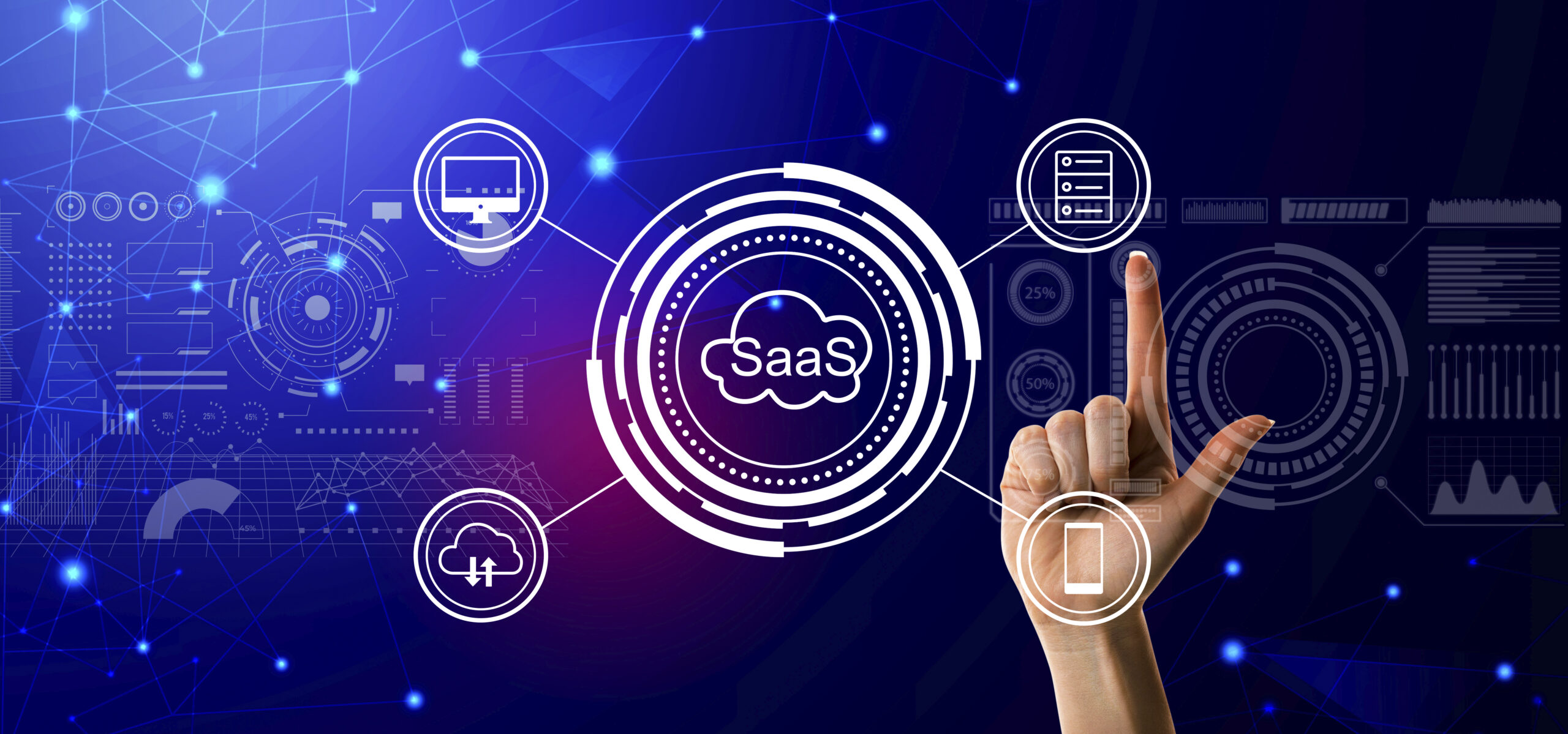
IT and SaaS Providers
Support subscription billing, usage-based models, and contract renewals, enabling
accurate recurring revenue management.
Logistics and Transportation
Calculate charges based on distance, weight, delivery timelines, and integrate with
route planning systems to ensure accurate client billing.
Choosing the Right ERP Billing Software
When evaluating ERP billing solutions, businesses must consider the following aspects:
Customization and Flexibility
Does the system allow you to configure billing workflows, templates, and integrations
based on your unique business processes?
Cloud vs. On-Premise Deployment
Cloud-based ERP billing systems offer remote access, easier updates, and lower
infrastructure costs, while on-premise solutions may provide greater control and
security.
User Interface and Accessibility
An intuitive UI ensures faster adoption and better productivity. Look for systems with
user-friendly dashboards and mobile accessibility for on-the-go management.
Integration Capabilities
Choose a solution that integrates easily with CRM, accounting software, inventory
systems, and payment gateways to streamline your entire business operation.
Vendor Support and Training
Ensure the ERP provider offers robust support, training, and documentation to help
your team use the system effectively and solve issues promptly.
Future Trends in ERP Billing Systems
AI and Predictive Billing
AI is being integrated to predict payment delays, suggest billing optimizations, and auto-
correct invoice discrepancies before sending them to clients.
Blockchain for Secure Transactions
Blockchain ensures transparency and traceability in billing, reducing fraud and boosting
client confidence.
Voice-Activated and Conversational Billing Interfaces
With AI-driven voice assistants, users can generate and manage invoices through
voice commands, enhancing accessibility.
Self-Service Portals for Customers
Customers can view, download, and pay bills through branded self-service portals,
leading to improved client satisfaction and faster collections.
Conclusion
Investing in a robust ERP billing system is one of the smartest moves a business can
make to enhance productivity, ensure compliance, and scale effortlessly. Whether
you’re dealing with complex tax structures, managing multiple revenue models, or simply
looking to cut down on manual errors, an ERP billing system brings unparalleled value to
your organization.